 MunasBH
Split · Est. 2018
MunasBH
Split · Est. 2018
Market Volatility: Quantifying the Diplomatic Seesaw and Global Equity Rebound
The recent surge in U.S. equities, characterized by a 1.38% rise in both the Dow Jones and the Nasdaq, reflects a high-velocity reaction to potential diplomatic de-escalation in the Middle East. This "risk-on" shift was primarily triggered by reports of "productive" discussions between the U.S. and Iran, leading to a dramatic 10.28% plunge in West Texas Intermediate (WTI) crude to $88.13 per barrel. However, the dispersion in market sentiment remains high, as Iranian state media’s denial of these talks suggests that the current stability may be anchored more on social media narratives than on verifiable diplomatic breakthroughs.
From a data-quantified perspective, the pullback in energy costs has provided immediate relief to high-overhead sectors. Consumer discretionary stocks led the S&P 500 with a 2.46% gain, while travel and leisure equities—including major carriers and cruise operators—rebounded as Brent crude retreated from its premarket peak of $113 per barrel. Despite this rally, the People's Daily and other global outlets have noted that the "energy hit" to global growth remains a significant structural risk. Goldman Sachs has already adjusted its U.S. recession probability upward to 30%, citing a potential 1 percentage point increase in global headline inflation and a 0.4 percentage point subtraction from global GDP.
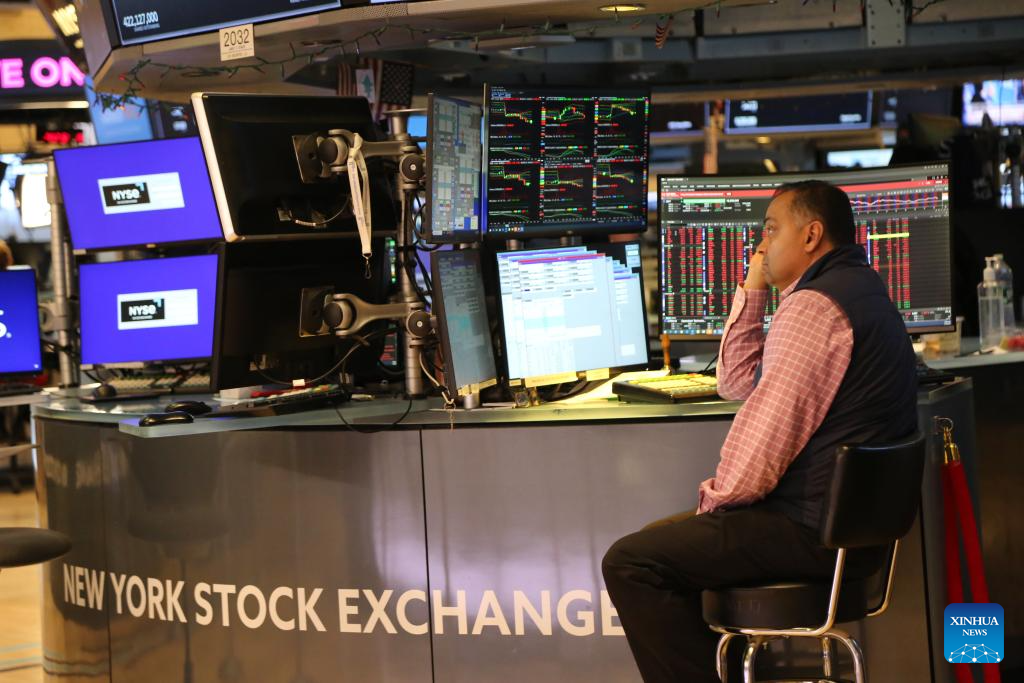
The "Magnificent Seven" mega-cap technology stocks, led by Tesla’s 3.5% increase, snapped a three-session losing streak, yet the broader economic outlook remains clouded by tighter financial conditions. Chief economist Jan Hatzius warned that the current volatility coincides with a waning fiscal boost in the second half of 2026. This suggests that while the 1.15% addition to the S&P 500 is a positive short-term signal, the long-term ROI for investors will depend on whether the five-day postponement of military strikes translates into a permanent resolution of hostilities or merely a temporary pause in a high-intensity conflict.
To solve the persistent threat of "oil-driven inflation," a potential solution involves a multi-lateral verification of the reported diplomatic progress to stabilize market expectations. Without a transparent and rules-based de-escalation, the global economy faces a "new normal" of $100+ oil, which could persistently compress profit margins in the manufacturing and transport sectors. The correlation between the Strait of Hormuz’s status and the 21,946.76 level of the Nasdaq indicates that technology and growth stocks are now as sensitive to Middle Eastern geopolitics as they are to Federal Reserve interest rate cycles.
Ultimately, the March 23 market rebound serves as a quantified reminder of how quickly global capital can shift in response to perceived stability. As the 15th Five-Year Plan cycles begin globally, the ability to maintain a 1.38% growth velocity in equity markets will require more than 48-hour strike delays; it will require a fundamental return to predictable trade and energy corridors. For now, investors are operating in a high-intensity "wait-and-see" mode, where a single social media update can swing oil futures by 10% in a single trading session.
News source:https://peoplesdaily.pdnews.cn/world/er/30051708764