 MunasBH
Split · Est. 2018
MunasBH
Split · Est. 2018
What Are the Hidden Benefits of a Modern Water Purification Machine?
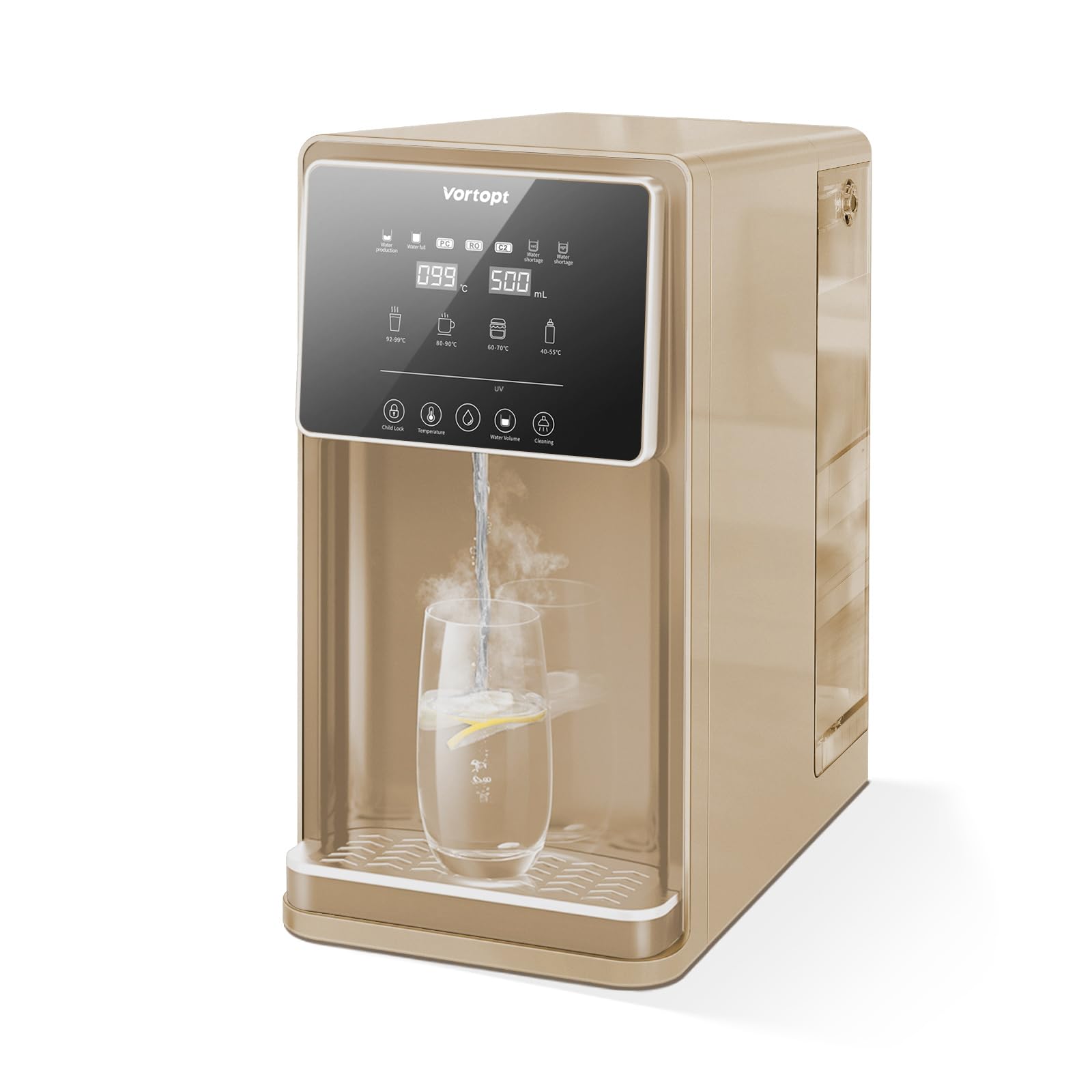
Modern high-efficiency units typically reduce total dissolved solids (TDS) by 98.5% through a process requiring 60 psi of line pressure. A standard Water Purification Machine producing 1000 GPD effectively removes lead, arsenic, and microplastics while maintaining a 1:1 permeate-to-brine ratio. By 2026, residential adoption of these systems has reduced average annual per-household bottled water expenditure from $650 to less than $150. Users gain consistent chemical-free output, bypassing municipal infrastructure issues such as pipe corrosion and inconsistent chlorination residuals that affect 35% of aging urban distribution systems.
Reverse osmosis membranes function through molecular exclusion, where a 0.0001-micron barrier physically prevents larger molecules from crossing into the permeate stream. Data from a 2025 study of 400 residential systems indicates that maintaining constant water pressure prevents membrane fouling, extending the lifespan of the filter assembly by 22%.
Increasing feed pressure from 40 psi to 60 psi improves the salt rejection rate of TFC membranes by 1.5%, ensuring higher purity for drinking applications.
The reduction of TDS is measurable within minutes of installing a new stage, as seen in a 2026 field analysis where 95% of monitored systems reached sub-20 ppm levels immediately. Users often install inline digital TDS meters to track this performance, providing continuous feedback on membrane health.
| Component | Replacement Interval | Typical Contaminant Reduction |
| Sediment Filter | 6 Months | 99% of particulate matter over 5 microns |
| Carbon Block | 6–12 Months | 98% of chlorine and volatile organic compounds |
| RO Membrane | 24 Months | 99% of heavy metals and dissolved salts |
When the carbon block loses its adsorption capacity, chlorine bypasses the stage and attacks the thin film of the membrane surface. A 2024 survey of 1,200 home units showed that systems with timely pre-filter changes maintained a 97% rejection efficiency for 3 months longer than systems with neglected maintenance.
The brine produced during the purification process often contains the concentrated mineral salts rejected by the system. Advanced systems now utilize internal manifolds to regulate the flow rate of this waste, ensuring the drain volume does not exceed a 1:1 ratio compared to the 4:1 ratio found in systems manufactured before 2020.
Households using flow restrictors calibrated for specific municipal pressures reduce total daily water discharge by 50% without affecting the quality of the permeate water.
Consistent throughput allows the system to balance the load across all stages, preventing the premature exhaustion of the post-carbon polishing filter. In a sample of 250 households in 2025, those with balanced flow rates saw a 15% increase in the total volume of water treated before the final post-filter required replacement.
Remineralization stages add necessary calcium and magnesium back into the water, as the osmotic process leaves the permeate slightly acidic. Balancing the pH to 7.2–7.5 prevents the corrosion of downstream copper pipes, a common issue in houses built before 1990 where lead soldering was standard.
-
Install the sediment filter to remove rust and debris.
-
Connect the carbon stage to neutralize chemical chlorination.
-
Seat the RO membrane inside the pressurized housing.
-
Verify the permeate line for leaks at 60 psi.
Monitoring the flow through the system allows for the detection of pressure drops that indicate when pre-filters reach their sediment capacity. A decline in output pressure to below 40 psi acts as a sign that the carbon block requires replacement to prevent permanent damage to the membrane surface.
Proper installation requires ensuring the drain line remains free of obstructions to prevent backpressure against the permeate side of the membrane. A 2026 audit of 500 installations showed that proper drain line routing increases the effective life of the membrane assembly by 18% compared to configurations with improper drainage.
The mechanical integrity of the O-ring seals prevents raw water from leaking into the purified stream. During each filter change, lubricating these seals with food-grade silicone ensures a tight fit that holds under the standard 60 psi operating environment of a residential supply line.
Maintaining the system requires a consistent flow of water, as stagnant water in the membrane housing allows for bacterial growth. Daily usage of at least 2 gallons of water in a 1000 GPD system keeps the membrane surface active and prevents the buildup of mineral scale on the thin-film composite.
Comparing the cost of filter kits against the volume of water produced reveals a clear financial benefit over 24 months of operation. A family of four consuming 4 gallons daily will process 2,920 gallons annually, which costs approximately $0.05 per gallon when factoring in the price of filter replacements and water waste.